A metaphor often serves as an explanatory vehicle. It offers the properties of something that is known or more tangible to be projected onto that which we have a lesser understanding. Often a metaphor arises because the that which is doing the explaining, and that which is to be explained are two related cases of the same general class of things; they are parallels and have in common shared derived characteristics which make them understandable in the light of each other. While metaphors are often parallels, the function is that of explanation, and for the sake of an uncluttered and useful explanation, a metaphor’s property of inheritance from some general class can be overlooked. However, it is sometimes informative to recognise how a metaphor stems from a structural parallel in order to comprehend how those structures came into being through inheritance.
Information propagates like waves. Indeed waves are information – they possess form. The movement of bodies of water is both a parallel and a useful metaphor in thinking about the flow of information. The idea of the meme is also a practical metaphor for seeing the life-like properties of certain types of information, but again the meme goes beyond an illustrative metaphor to reveal parallel Darwinian dynamics inherited from the information domain.
Culture is not static: it moves, flows, changes, evolves. Ideas pass between humans, leaping from brain to brain, modifying and coursing through society. The flow of culture can be envisaged oceanographically, like waves, or tides, or, biologically, as the adaptation and migration of species. Furthermore, shifts in species distribution can be cast in terms of migratory waves, for the underlying flow is that of information modulated by DNA: the movement of phenotypical structure. The life-like dynamics of culture, when thought of in memetic terms, provides a tangible metaphor and parallel by which we can construct an image of how culture courses through society. Moreover, this vehicle becomes cliologically encouraging when we consider the spread of maladaptive or eusocial cultural entities: it enables the surveillance of current cultural states, forecasting of future trends, and response or intervention depending on how we consider these projections to be beneficial. Of particular metaphorical value are the ideas of oceanographic tides and avian flyways as these are charts and almanacks of motion. From these, we can infer future patterns from those which have occurred in the past. By extension, charts and almanacks of cultural tides and flyways would provide oracular foresight.
On cultural diffusion
Information, knowledge, culture, percolate through society. Milgram’s small world theory, or six degrees of separation, posits that a message can be passed from any one person to any other via six links. Network science has examined these social networks to see how topologies of connectedness can enable such a spread and has placed graph-theoretical parameters on such topologies (Duncan Watts) to enable simulations. Network science has enabled the parallel between social diffusion and disease epidemiology to apply similar theories and techniques as each other. Network graphs resemble crazy spider’s webs and depict a kind of distance between individuals. These are the threads of society. Such distances can be physical or geographical distance, but they might also depict other properties such as the amount of interaction or degree of influence that people have with each other whether physical or digital. Such properties are important to the flow of things such as disease or information as closeness and contact are how these things are transmitted and spread. Hence, a specific form of network graph, the flow diagram, is useful in modelling biological and thought contagion, and can be used to trace and predict the trajectories of an outbreak of either (or both).
It is known, in disease monitoring and control, that a tightly connected cluster is more susceptible than a loose one. On the other hand, a well-connected individual is likely to have influence. While the biological and the cultural may propagate along different substrates of DNA or digital, it is the network topology that allows cultural diffusion to be seen in a similar way to epidemics. It is interesting that influence has the same Italian root as influenza. There are a couple of key distinctions though. Firstly in disease being of molecular origin, contagion is probabilistic depending on such factors as frequency, distance and existing health conditions. Exposure is more like a game of Russian roulette. Cultural attitudes, on the other hand, are strengthened or weakened by exposure to the views of others. A second major difference (with some military or pharmaceutical industry exceptions) is that a viral pandemic is largely a bad thing for most people, in terms of illness, mortality rates, and economic ramifications. Culture and the spread of ideas, on the other hand, is by and large seen as beneficial. It may be true that the spread of certain ideas may benefit the few at the expense of the many: propaganda is a clear example. However, culture, on the whole, is a human trait that confers mutual survival through cooperation and social cohesion. Network analytics of social structure then can be applied to inhibiting the spread of disease while promoting eusocial intentions. Furthermore, cultural diffusion ranging from basic hygiene to public health campaigns can be used prophylactically to curb the spread of a pandemic.
Biological
Biological pathogens
Patterns of infection of biologically pathogenic agents are relatively well known to epidemiology and are understood through several metrics and factors: reproduction numbers, case fatality rates, incubation times, symptoms, vulnerable groups, social networks, travel patterns, modes of transmission, and DNA analysis of the pathogen. These factors go together to provide a risk assessment, call for surveillance, and intervention measures conducted by public health agencies such as the World Health Organisation and the Centre for Disease Control and Prevention.
Biological active surveillance
Intervention attempt to curb the spread of an outbreak of high-risk contagious diseases, surveillance is demanded. In the wake of the COViD-19 pandemic, we now have a clearer picture of how to track the trajectory of an infection. As diseases are spread through contact with infected people, or objects then surveillance involves recognition of the signs and symptoms of the bug and the patterns of contact among those vulnerable.
Novel strains for which we have not evolved immunity, nor developed vaccines, which have a high R0 and CFR, pose the greatest global existential threats. Health agencies are to be most vigilant against these.
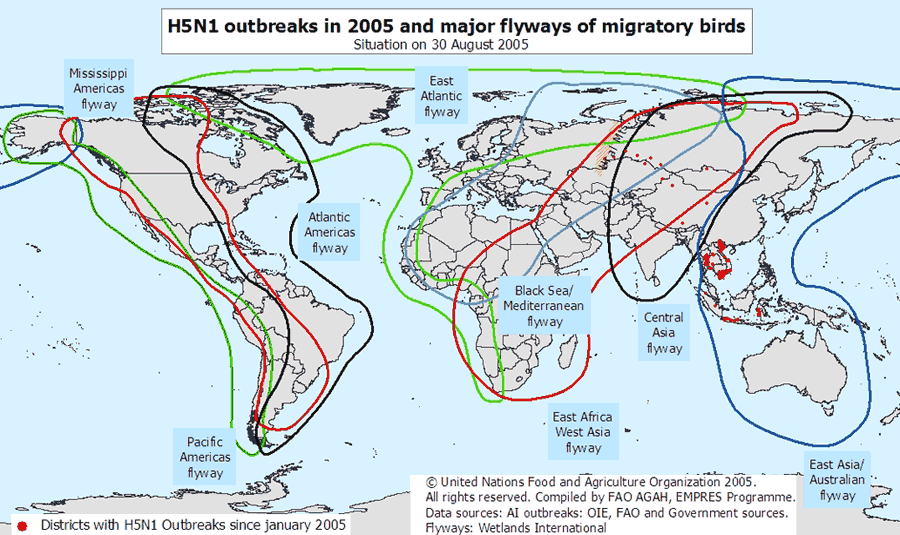
An example of surveillance was against the threat of avian influenza. This strain emerged in poultry farms and markets in China but became humanly transmissible owing to the proximity of the birds to humans. The global threat arose where the virus spread to migratory wildfowl. Seasonal movements of these birds, from Asia to Europe, would allow the virus to be carried over a vast range and introduced to European livestock. The risk of a pandemic was were subsequent transmissions to humans could arise. Knowing the migratory flyways allowed for surveillance en route to spot dead birds test for infection in those and live birds. This also forecast outbreaks in European farms which lead to the mass culling of potentially infected livestock.
The novel coronavirus outbreak, a variation of SARS, of 2019 was also thought to be transmitted into the human population from infected meat in a wet market of Wuhan, China. This was highly contagious among humans and quickly spread to other countries owing to the movement of people. The tracking of early clusters soon got out of hand and the virus became a global pandemic. However, owing to the scale and threat of the problem, especially because of human transmissibility, surveillance measures were ramped up.
Case monitoring of those showing symptoms and deaths were reported. Fatalities were more prominent in those with co-morbidities and the elderly. However, contract tracking, after the early days of the outbreak was frustrated by the problem that the disease was contagious before any symptoms appeared and many of the cases were asymptomatic carriers. The virus could rapidly spread asymptomatically without detection among those who were not vulnerable, thereby putting those who were vulnerable at significant risk. Hence, it was imperative to develop tests which would indicate the presence of antibodies of those who had, or had had the virus but not shown symptoms. An attempt at contact tracking using mobile phone technology in order to understand the spread of the virus among human networks was unsuccessful.
Response to biological situations
This was a novel coronavirus, humans did not have natural immunity, nor at the onset of the outbreak, had the ability to produce a vaccine nor a cure. For those who did have underlying conditions for which the symptoms of COVID-19 could prove fatal, then intensive care and respiratory assistance were required. Otherwise, the focus was on the prevention of the spread of the virus, through the spread of information. Initially this covered handwashing and sanitisation, social distancing and other behavioural changes such as stopping handshaking. Those showing symptoms were asked to go into isolation for 14 days. As the disease became more widespread then governments began to enforce lockdowns in an attempt to reduce interaction and therefore the effective reproduction number of the disease. This would not stop the disease, only slow it down. The issue here was, in the UK, the number of cases needing emergency medical treatment, and the NHS’s ability to cope with a spike in cases. Lockdown was needed to distribute the cases over a longer time-span and within the NHS’s carrying capacity. It also bought some time to study the virus and develop a vaccine. The “save our NHS” and children’s drawing of rainbows posted in windows, and other propaganda, assisted in affecting the mass behavioural change of remaining indoors. Neither the side-effects nor the effectiveness of these responses is within the scope of this page.
Cultural
Cultural pathogens
There are many well known and common social ills such as crime, violence, drug abuse, poverty and inequality, but it is less well recognised that many of these are essentially behaving as communicable pathogens. They are the equivalent of cultural maladaptations arising through what might be thought of as “viruses of the mind” – they are passed between people and propagate through the fabric of society. Such societal problems are parallels to epidemics and can be viewed through the lens of the disease model. They can be understood in similar terms such as R0, CFR, incubation times (etc), as well as being amenable to network analysis, modes of transmission. In viewing them as pathogens, it becomes possible to consider that surveillance and intervention measures could well be applied to social and cultural problems. Of course, not all cultural outbreaks are pathogenic, most are benign, indeed possibly beneficial. In such beneficial cases, the CFR could be thought of as being negative, maybe even as a “Case Vitality Ratio”. Pathological biological agents lead to a focus on stamping out or swerving an existential threat; little attention is paid to the probiotic organisms. In contrast though, and depending on who is at risk and who stands to benefit, probiotic culture does attract human attention: this generally goes by the term marketing. The biological parallel is often overlooked, but whether probiotic or pathogenic, the view of cultural “viruses” does lead to understanding and application, be that curbing social disorders or selling more stuff.
Cultural active surveillance
Any fashion, fad, craze or trend can be considered as fairly obvious example of an outbreak and epidemic of a mind virus. These are mostly benign, if not pricy, and have at least some perceived social or psychological benefit for the adopter. These memes come and go very quickly and can be modelled epidemiologically. A new clothes style originating in the US and being adopted in the UK and subsequently to other countries, perhaps those of Eastern Europe, can be tracked fairly easily. This also gives the fashion industry and pundits some way of forecasting what is coming in.
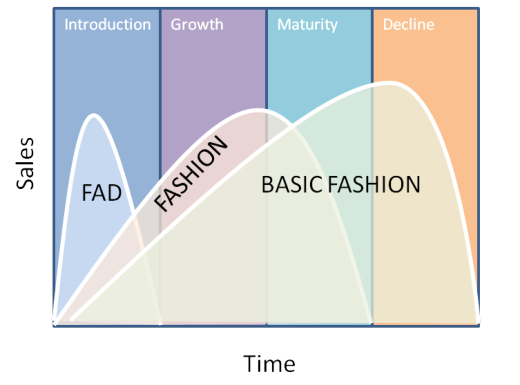
Similar to the flyways of geese in the spread of avian influenza, cultural diffusion has its own flyways by which memetic “viruses” are carried. Nowadays, these are the preserve of the media, particularly that of digital social networking platforms. Something trending on Reddit can quickly go viral, reaching like-minded communities around the world. This trend follows a well-known life-cycle from the innovators, early adopters, early majority, late majority and laggards (Geoffrey Moore, Trompaneurs). Initially, a trend may be confined to a clique of innovators and early adopters, the fashionistas, which then leaks out into the general populous. As celebrity trendsetters, such as sports stars, pop idols, and younger royalty take on the trend, then the early majority become influenced. Soon, the trend becomes passe and is superseded by yet another “latest”, and this is what keeps a whole industry flourishing. Fashion, technology and product life-cycles track disease cycles quite faithfully: we could see a fashion outbreak from a patient zero, through high R0 growth, though to saturating the carrying capacity of the susceptible population, through to its gradual extinction as herd-immunity (boredom) sets in, and something shiny and new takes over.
Cultural active surveillance, the memetic equivalent of being on guard against the spread of biological agents, is well known under the different name of marketing intellegence – that is, following the trends and fashions, attempting to forecast their trajectory, and releasing commercial product in accordance with shifting market preferences. Marketing intelligence is as much about collecting intelligence on competitors and their products as it is about understanding customer demand. In a sense, the customers are the susceptible population; the competitor’s products are the “disease” which spreads through social networks of influence. A bioanalogue of a marketing strategy then would be to understand and exploit those influence networks for a company to raise its products R0 to infect a greater portion of the population’s carrying capacity – otherwise known as market share.
But marketing intelligence andcompetetive intellegenceusually relates to selling products that are beneficial to some target customer base and have the negative CFR (or positive CVR) of creating some kind of value. Cultural pathogens are maladaptations with a CFR in that they are detrimental to sections of society. They are not marketed in any direct conventional sense, so they are not really the focus of traditional business intelligence. They have closer disease like properties, particularly in that their victims catch them usually without wanting them. Shifting attention to a more general level of epidemiological dynamics, where we can compare cultural agents with their biological counterparts would suggest that biological active surveillance has commonalities with competitive intelligence. Aspects of each can be fused to form a cultural active surveillance that is sensitive to the outbreak and spread of cultural pathogens.
Some thought can be applied to how such surveillance may be conducted for detecting the emergence and spread of memes; whether pathological, competitive or otherwise. This is an example of drawing biological ideas across the Heikelian bridge for eusocial benefit.
The basis of cultural surveillance is how to detect a meme. Explicitly internet memes are fairly easy to spot; realmemetic, because of our over-familiarity with it maybe not so. Memes are almost synonymous with ideas, but there are ideas with certain characteristics that we are interested in detecting and tracing. Cultural Linneanism, the systematic classification of ideas that have cultural expressions as artefacts or actions can help us to isolate the essences of what we intend to follow.
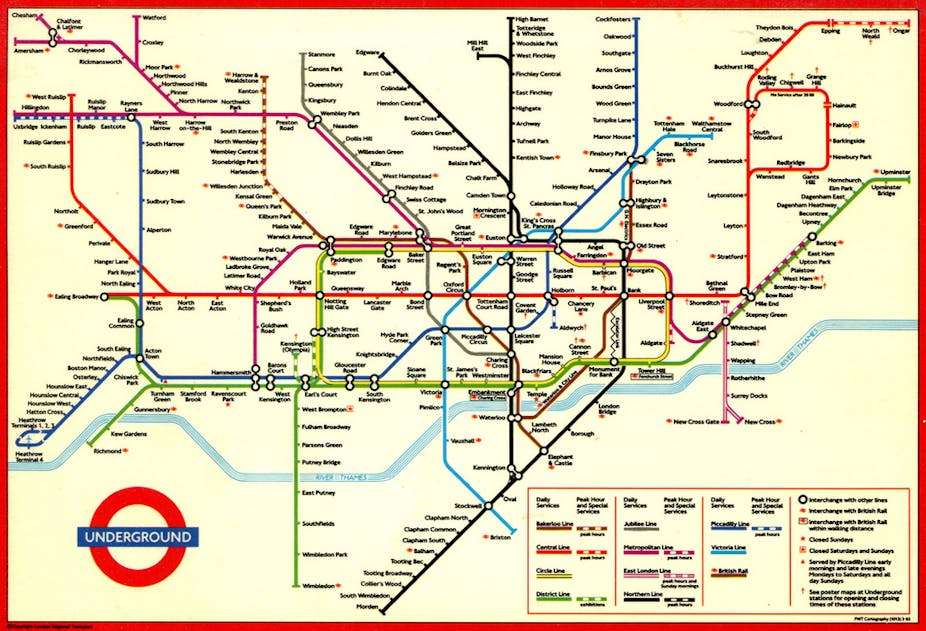
Cultural Linneanism parodies biological taxonomic ranks. It gives us a working notion of cultural genus and species (irrespective of ontological status). Media are well recognised “flyways” for carrying memes: the array of magazines on newsagent shelves is a testimony, whereby memes for fashion, vintage cars, movies and fishing act as vectors carrying some genus (or genre, or genera) of meme to a highly focuses readership (deme). The internet perhaps provides an even more efficient medium though, for example, Reddit groups. Here, we can see novel, danq and edgy memetic strains emerging among cliques of innovators and early adopters, we can also see how they leak out to the early majority, and so on as they pass into the mainstream media. Interestingly, there are Reddit groups that actively track the progress of internet memes as a kind of “stock exchange”. Hence, the network of media forms and aggregators can be used to identify and classify digital flyways – to shift the metaphor a bit, some clone of the London Underground map of the routes some type of meme might be illustrative. This “underground map” of culture, refers to the network topology of real and digital interconnections in society. The stations would be some local influencer that serves the surrounding community of interest. Each line could refer to the communication path that an identified type of meme is likely to flow along. We might be able to forecast the trajectory of a specific meme given the general pattern of flow. A fashion trend might be the equivalent of the District Line, a tech innovation might flow along the Bakerloo Line, the Central Line might support mainstream. Were we to monitor the stations and spot a new fashion coming in at say Whitechapel, then we might anticipate its arrival at Kensington.
In network science, bridging nodes are what big clusters are connected by. For biological and memetic spread, they are where an epidemic in one cluster enters a previously unaffected population; this is patient zero, an infected traveller coming to a new country. For memetics particularly, a bridging node is where an idea endemic to a clique of adopters adapts and gets taken up by a new community of interest. This usually often an influencer who straddles communities of interest. For example, high fashion becoming mainstream. Bridging nodes are essential to surveillance as they are where the early warning signs are to be spotted – symptom monitoring at ports of entry. For memetics, these are the intersections between demes where an idea leaks across. In the underground metaphor, interchanges between lines (the black circles) might well represent bridging. Although a fashion may take any route (subject to travel restrictions), the most likely way of becoming mainstream would be one of the interchanges between the District and Bakerloo lines: Ealing Broadway, Notting Hill Gate, Monument, Mile End. Setting up surveillance point at these bridging interchanges would provide some early warning signs that a fashion meme was likely to go mainstream. Of course, this is just a metaphor! The network topology of media, digital, interpersonal or otherly, is hugely complex, but not without its patterns, and these are better than nothing in tracking the rate of diffusion and estimate time to reach any particular cluster
So, if we have a set of traits that we can use to spot the kinds of meme we are interested in, then we should be able to identify a strain of interest popping up in some obscure clique. Furthermore, with a map of the flyways, we might be able to forecast the memes trajectory of influence through the population and forecast the course of culture.
Response to cultural situations
Tracking and epidemic is one thing, but averting existential threats through public health measures is the real drive. Similarly, tracking an idea has academic appeal: we can understand the patterns, but the spirit of cliology is that of engineering and intervention: what do we do with this knowledge. The question here becomes how can we do something about culture that meets our intentions, or prevent a cultural direction that is maladaptive; whether we should or not is an ethical conundrum for outside the cliological toolshed.
For disease, the aims are simple: to reduce the number of case fatalities and the ensuing economic impact by restricting the spread of the disease. For memes, where those memes are detrimental, then the aims are likely to be the same – to eliminate those memes in the population. However, whether a meme is detrimental or beneficial is contextual, and depends on its relationship with a given population. What may confer a CFR for one group may yield a CVR fro another. With biological pathogens, the conflict of interest is between the human and pathogen; with memes though it is often a conflict of interest between groups of people. Consequently, the aim of a group might be to eliminate a memetic agent, but on the other hand, it may well be to spread, exploit or modify such memes. This is the realm of politics.
What counts as a cultural parasite might be subjective, however, there are a number of maladaptive cultural traits and social ills that the majority of people would call bad; the effects of gun crime, substance addiction, teenage pregnancy, inequality, suicide contagion and so on, are to the detriment of society. Public policies and intervention programmes do have varying degrees of success, but some problems are recurring or persistent. Nixon’s war on drugs, for example, exacerbated the problem. Can the metaphors employed by memetics and cliology shed light on alternative or complementary strategies?
Gary Slutkin (xxxx), having worked as a medic in Africa, on his return to the USA recognised similar patterns of gun crime that were present in basic diseases. He suggested thatgun crime could be treated as a disease, and that violence could be “cured”. In that first year of intervention, there was a significant reduction rate of homicides. That violence begets violence has the hallmarks of an epidemic, but clearly this is not the work of a biological agent. Contract occurs through exposure: exposure to information. Copycat violence is symptomatic of a cultural virus that has resulted in a maladaptive shift in social norms.
div class=”wpb_text_column wpb_content_element “>div class=”wpb_wrapper”>
Cure Violencestops the spread of violence by using the methods and strategies associated with disease control:
Detecting and interrupting conflicts,
Identifying and treating the highest risk individuals
Changing social norms
So, using the language of memetics to recognise the patterns in terms of a cultural parasite that is spreading through a vulnerable population, we can think of cure violence as counter-measures to a meme that induces violent, almost “rabid” (from Latinrabiēs(“rage, madness, fury”), from rabiō(“I am angry, I am mad, I rave”)) , reactions to stressful situations. Notably, these methods rely on violence being curable, not just containable. Detection and interruption is the equivalent of medical intervention in cases where individuals possibly carry the disease and may become symptomatic (ie go out and shoot someone). They are at risk of entering the contagious phase, so interruption is about providing them with a cure (counselling) before they do. Identifying and treating at-risk groups uses an understanding of the social network topology to implement a targeted immunization strategy as a preventative measure; the memetic equivalent to vaccination. Changing social norms is about changing the eco-system, about generating and spreading herd-immunity, such that the violent memes become eradicated. If the “disease” had no presently available cure then other strategies, such as quarantine, might be considered.
This kind of approach demands a radical shift of perspective, although in that problems spread disease like is well known: politicians metaphorically use it in their language. Firstly that there is a disease agent at large (a mind virus). Secondly that the individual is not a perpetrator or the “bad guy”, but rather a victim of an infection. Thirdly, that the disease and its mechanisms are what should be addressed. Translation to the language of memetics is fine, but does meme theory add anything practical to curing social ills? Well, memes tighten-up a poetic metaphor into a scientific parallel: violence is not just “a bit like” a disease, but moreover, it exhibits the analogous mechanisms and dynamics as a disease. The work laid down by microbiologists such as the germ theory of disease also provides a solid foundation on which to better understand social epidemics. Recognition of underlying biological agent, bacteria, viruses, prions, revealed points of intervention. Understanding gene sequences, protein interactions, vectors, immune systems and so on, has certainly advanced medical science in the fight against communicable diseases. This could not have occurred where miasmatictheory had been held. With memetics, a cure violence approach would actively seek out the structure of the pathogenic memes in an attempt to derive a cultural vaccine (or “vaccime“).
Prevention is, as ever, better than cure. In the event of a surprise outbreak then all we can do is our best to mitigate the consequences, be that through traditional intervention or those augmented by science. After that, we should take our learnings and seek to be on our guard against further surprises. The germ theory of disease has helped us to understand that novel biological pathogens do emerge, and that they rapidly adapt through various processes of mutation and recombination, in a red queen race against immune systems. Having a model of these pathogens have also helped us to understand how such novel strains propagate in reservoir species and zoonotically enter into the human population. Furthermore, network science has provided models of that spread among humans. Avian influenza and CoVID-19 being case examples. Surveillance at key locations gives us some advanced warning of the likelihood of an outbreak, and to some extent, allows for preparedness. Meme theory also has predictive value: by observing current trends, it can provide limited forecasts to the flow of memes that might affect culture. Furthermore, this forecast gives some indication of response strategy depending on how we want our culture to be shaped.
In providing forecasts, with memes as opposed to biological pathogens, any beneficial or detrimental consequences are group subjective. But let’s take the case of forecasting the spread of gun crime prevention first before viewing culturally benevolent memes. To some extent, Cure Violence having included ‘Identifying and treating the highest risk individuals’, does have an element of applying forecasting to its methods. However, going further into the epidemiological parallel we can add further guidance. For a contagious disease, a number of personal factors influence who is susceptible: age, co-morbidity, and so on. The predominant factor though is that of the topology of the social network, the physical closeness of individuals within and between groups. Closely connected susceptible individuals are more likely to become infected, and subsequently spread the disease; socially isolated or immune individuals are at a lesser risk. The memetic parallel of violence as a disease would then apply the social network topology, the attributes of individuals and connectivity between them, to give an understanding of how an outbreak could possibly flow. Monitoring checkpoints in the flow network for early warning signs would then provide some forecast of how violence might propagate: who is likely to transmit it to whom and via what route. The flow topology would then indicate optimal points of intervention needed to impede the flow from one susceptible group to another. Forecasting outbreak patterns then enables the prevention of epidemics: biological or sociological.
But memetics isn’t just about cultural maladaptations. Mutualist memes (Dennett) can confer a “Case Vitality Ratio” (CVR). Like the probiotic micro-organisms, the “good” bacteria, found in the digestive microbiome, we want to cultivate and propagate these “good” memes. Again, “goodness” is subjective in the cultural context, but things like environmentalism, equality, and so on offer commonly strived for values; pollution, poverty, crime, drug abuse and so on are common cultural pathogens. On the other hand, there are memes that are more beneficial (or detrimental) to some parties than others. Very much in the fore are commercial and political memes where there is, in traditional terms, fierce competition over vote or market share. It would be reasonable for a given party to consider the prevalence of reputation and attempt to encourage the “good” while inhibiting the “bad”. Cambridge Analytica will not be discussed here. The capacity to forecast and respond in cultivating probiotic and weeding out parasitical memes is definitely in the domain of marketing. Anticipating future trends gives a competitive advantage over simply reacting to market whims. Memetic forecasting augments this advantage because, providing the explanatory mechanism for influence, then it allows for the track and trace of the transmission of who wants what. Moreover, knowing the flow network thereof, a fair guess can be made as to who is likely to want what in the future, thereby allowing the marketer to target their product line and commercial communications towards emerging audience tastes.
The practicality of the meme as an explanatory device can be taken beyond just forecasting. In taking on a more proactive mood, cliological intervention would not simply go with the flow, but rather attempt to steer the course of the tides. In other words, memes can be used to set the trend; not follow. They can give the strategic advantage of market leadership, relegating the competitors to imitators. The extent to which this can be done depends on the commercial sector, but those with a fashion element can factor in audience taste, and audience taste, as a memetic phenomenon, can be directed with intention. Types of guerrillaand influencer marketing ply this tradecraft in identifying and influencing the trendsetters, the cool kids who everyone else copies. Memetics, though, turns such artisan marketing practices into a science. The cool kids can be seen as critical nodes in a social flow network exhibiting archetypal topology and dynamics. These would be the targets for memetic surveillance and intervention where a kind of cultural thermostat (or “Bernasian Cliostat”) can be positioned. Introducing a designer meme at one of these points would be tantamount to infecting a superspreader with a genetically engineered neuroparasite; a viral outbreak that alters the behaviour of a target demographic, and may be a blend of any form that increases susceptibility to their own brand, or inoculated against the brand of a competitor. Computerised synthesis of novel memetic strains and simulations of their social network performance are future likelihoods.
Co-crisis of bio-cultural systems
We might think of biological agents as genetic and acting on a physical layer: that of viruses, cells, bodies. Cultural agents, on the other hand, could be thought of as being on an information layer: thoughts, communication and data. There is some interplay and correlation between these layers among modern humans. The threat of biological diseases has given rise to medical science and public health measures, which are essentially within the practical realms of knowledge. This knowledge, in turn, has helped us to prevent and cure many biological diseases, such as the eradication of smallpox. However, the perspective of knowledge as a transmissible agentthat influences human behaviour allows us to derive further practical insight, which may serve to inform medical intervention and public health measures. The genetic physical well-being of a population has some correlation with its memetic cultural body of knowledge. Both memes and genes flow with apparently parallel dynamics around the social flow network topology. Taking public health as a priority (over commerce in this discussion), especially in the COVID-19 era time of writing, then the specific question becomes, how can an understanding of memetics assist with dealing with the pandemic. Obviously, an answer to this question has a wider application, and first, it is valuable to examine the general interconnection between genes and memes in actual disease treatment.
The preceding discussion has involved the relationship between agents and hosts as being somewhere along a continuum from the pathological, dysbiotic having a CFR, and the beneficial, probiotic having a “CVR”. Arguably, both genes and memes of culture can be probiotic or dysbiotic to their human hosts. However, we can also envisage an inter-agent ecology, the symbiotic relationships among the tangled bank of genetic and memetic agents in their struggle for survival. Of particular interest here is the conflict between contagious biological pathogens and health serving cultural communication: bad genes versus good memes!
All health and hygiene advise are memes, cultural information about wellbeing and warding off illness. Medicine has been around since prehistoric times. Whether exorcising evil spirits, traditional folk-medicine or based on modern biomedical research, the point is the clinical application of knowledge to promote health and vitality. Where there is some contagious pathogen involved, then we have a clear conflict between the good medical memes and the bad disease genes. Nothing exemplifies the memetic aspect better than a good public health slogan! Mens sana in corpore sano (“a healthy mind in a healthy body”) probably stems from Thales of about 600BCE. More modern manifestations are:
“Coughs and sneezes spread diseases” was a slogan first used in the United States during the 1918–20 influenza pandemic.
“Catch it, Bin it, Kill it” 2009 Swine flu
AIDS: Don’t Die of Ignorance was a 1987 public health campaign by the British government in response to the rise of HIV/AIDS in the United Kingdom
The CoVID-19 outbreak of 2020 was awash with government propaganda intended to halt the spread of the disease: “Stay home, protect the NHS, save lives”, ”Stay alert, control the virus, save lives”, “Hands, face, space”
The strapline to the film Contagion is poignant: “nothing spreads like fear”. It suggests that the spread of information far outpaces that of biological disease. Fear, like a contagious social response to disease, has a higher R number and is usually confers a “CVR” (in contrast to the disease’s CFR). It can be seen as the equivalent of stotting in Gazells – it signals an emerging threat, thereby preparing the population to respond. A reason for why the fear of disease spreads so fast can be seen from the perspective of cultural evolution: it promotes avoidance of a threat, avoiding contact with a diseased individual, thereby creating social distancing and the spread of the disease through the population. Old legends of vampires and werewolf probably embedded themselves in cultural narratives in response to the rabies virus and its reservoir species. But fear, as a base instinct, becomes a double edges sword when it undermines reason. Not only does correct information spread quickly, but so too does disinformation. Response to an alarm is often time-critical. Sounding an alarm to others without confirming the validity of the alarm can be life-saving. In panic or crisis, information is often sparse and there is little time to check; it is prudent to act on an alarm even if later it turns out to be a false one.
In one sense, all memes are fake, but the point of a meme is that it spreads and this is irrelevant of whether it is true, or beneficial or otherwise. Disinformation, as a meme, arises in situations of great uncertainty and is propagated through fear and ignorance and can lead to a social stampede. If we are to take the simplified notion that a genuine meme spreads information that is true and that fake meme spread disinformation, then we have a narrative ecology whereby memes are competing for survival through occupying the minds of humans. To the memes, it matters little whether they hold any truth or benefit for the human hosts, on the other hand, the proponent of a stance would tend to consider that the memes they are adherents to are both more true and beneficial than conflicting views. It is indeed likely that there is at least some grain of truth and some benefit, however indirect, within each view. In some cases, and possibly for some shadowy cabal, it could even be plausible that they have a clandestine vested interest in spreading propaganda. However, if objectivity were possible, then the memes premised on information that is true would, overall, would have a higher “CVR” than those built on disinformation. Memes with a high CFR would be pathogenic parasites bringing about cultural maladaptations and should be, like gun crime, treated also as a disease.
Returning to disease intervention, we now have a meme ecology where it is meme vs meme; we also have the relationship between each meme in that eco-system and the prevalence of a biological pathogen in a population. This is the case between anti-vaxxers and authorities where there is a conflict between the groups over claims of benefits and intentions. Governments claim that vaccination programmes exist to safely protect the population from disease. Anti-vaxxers want to protect their children and claim that “Big Pharma” is covering-up safety concerns in pursuit of profits. Agencies such as the Vaccine Confidence Programme counter what they see as dangerous disinformation and conspiracy theories. Anti-vaxxers then go on to claim that VCP is public relations stooges, there to manipulate the media and the minds of the people.Whatever the truth about vaccines is, it is clear that there is a meme war going on; mutually antagonistic memes pitted against each other’s throats for survival and locked in aRed Queen Race.
There is another feature to the strapline that “nothing spreads like fear” and one that may prove useful in regard to meme-gene confluence. If fear, as an alarm signal for an emerging outbreak, propagates along the same social network topology of biological disease, yet much faster, then it would be an effective social adaptation as a warning sign whatever the basis of the information. In other words, fear is a meme that flows along a similar pathway as the disease flyway, but with a higher R number, therefore, fear foreshadows the disease spread pattern. Fear is not necessarily the only predictor, but any meme that appeals to a population might provide a model of meme-gene confluence paths in the flow network topology. Christakis has used mobile phone connectivity to predict the spread of flu. Hence, it may be possible to set surveillance points at key nodes monitoring confluent memes to provide advanced warning signs that foreshadow a disease outbreak. Furthermore, this forecast would give some scope for proactive intervention and preparation in the medical sense (eg. vaccination). But the problem of dangerous disinformation and competing parasitical memes still threatens to thwart direct health measures. The biological infection and the cultural parasite should be treated as a syndrome or companions; they run together along the same flyways. They are also similarly foreshadowed by other cultural markers. So, these dynamics suggest that in a social flow network topology, a contagious biological (ie gene-based) disease spreads along the same lines as communicable information. This communicable information may be many, and range in its degree of benefit or problems, but generally spreads faster than the disease. It now becomes prudent to ensure that the prophylactic information spreads faster than the diseased disinformation.
Setting up cultural surveillance points at key nodes gives advanced warning to disinformation. As these bad memes may be treated as disease-causing then the prophylactic memes can be spread as a preventative response; good inoculating against the bad. To know the key nodes, such as bridging nodes between populations, then strategic information vaccination can be implemented. Such a strategic response might be called “heading off at the pass” as the good information reaches the key nodes before the bad information gets there. It is possible to implement this in software that monitors and responds to sentiments and meme prevalence over the www. This would act like a “cyber chain home” system, similar to the radar system used during the Battle of Britain and would involve “Bernasian Cliostats” positioned at strategic nodes.