 Cliology and cliotechnology are concerned with the process of culture rather than its content. They are the application of the scientific understanding of cultural evolutionary psychology and memetics rather than the kind of commentry on contemporary culture found in Sunday newspaper suppliments. While reviews of opera, ballet and modern jass have appeal to a certain section of readership, cliology is at risk of being aloof from any actual cultural phenomena. Some seperation is not necessarily a bad thing if it exposes culture as going beyond what has been normalised as “culture” in those suppliments. However, the point of cliology is that of application rather than disengaged study. It is meant to have practical engagement with creativity of the humanities and arts among other aspects of culture in the widest sense.
The popular music industry has long been a cash cow, and like Hollywood, has frequently saught out a formulae for making smash hits and blockbusters. This is not a bad thing in itself, but has often lead to a formulaic staleness of releases, and has been a bone of contention between the artisans, who want to give the world something different, and the financially oriented executives, who want a relyably salable product with mass commercial appeal. We can see how cultural evolution is at play in pop: the variation and selective retention of musical memes. On the one hand, the artists generating slightly different, but not so much to be shocking, material for the entertainment and consumption of audiences with expectations but short attention spans. On the other hand, the selection pressure from the supply chain of interdependent industries, obviously including the music industry itself, but also those of advertising media (radio stations), advertising agencies, vendors, and product manufacturers and so on. The music producers experiment with a fresh (but not too fresh) idea, often dabbling with advancing music technology, otherwise audiences become bored. If that innovation turnes out to be successful, then it is retained, speading into the mainstream as other producers leap on the bandwagon. These innovations accumulate into new production styles, but they have a limited shelf life. We can see the familiar product life-cycle, Lotka-Volterra cycles, of popularity, investment, and uptake in genres; from risk taking early adoption, to peak of chart success, to hasbeen and yesterday. Genres follow that quick fasion cycle. Indeed, they form a phylogenetic tree encountering blooms and extinctions; some recombinations receiving temporary acclaim; most being consined to obscurity.
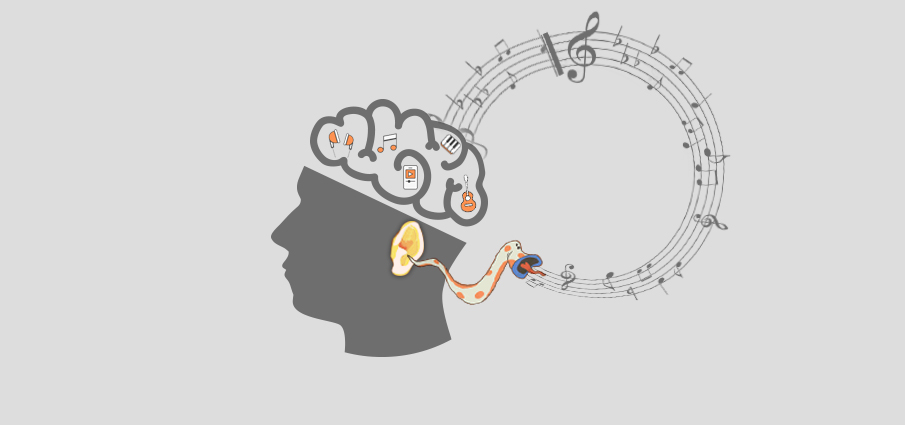
Cultural evolution can shead light on the dynamics of the pop industry. It is however an industry and a hungry one at that. In the same way that social psychology informs organisational behaviour, or physics informs microchip production, or chemisty informs material manufacturing, can our evolutionary understanding of a sector that is clearly subject to evolutionary forces be used to inform it. Can cliology generate pop-music and all that entails. Although some would like to call their musical formula “scientific”, innovation remains the craft of the producers and artists and engineers. Replicable schema emerge from experience, imitation, trial, error, psychoactive compounds and sometimes luck. The applied sciences of cultural evolutionary psychology, neuroscience, behavioural economics, network theory and so on, have little to do with making the actual music we hear (although there are some adventurers playing with such.) Cliology, as a methodology of meddling with the memes of culture, is perfectly suited to scooping, recombining, simulating, and hypeing noval musical viruses inherent in the pop industry. The quest then is to cliologically engineer the ultimate earworm epidemic, a “black hit of space” that hijacks mass neuro-anatomy, and dominates the charts. The aesthetic merits of such an effort are dubious, but that has never been the concern of pop anyway – radios do have an off button.
Leave a Reply