Here it is, after 30 years of Further Education and dedicated memetic research, I present the pinnacle of memetic re-engineering:
The LOL Chad

What is this miracle of modern technology? you ask.
Well, it is the successful hybridisation of two traditional meme forms:
- The Chad which predates the internet, which features a stylised cartoon character looking over a wall with the phrasal template (snowclone) of “WOT, NO X?”. Easy to copy, and express your own grievance at the lack of some essential resource.
- The LOLCat, an inexplicably popular digital age image macro featuring a super-kawaii kitty annotated with some misspelt phrase in the impact font.

Both memeplexes have their pedigree:

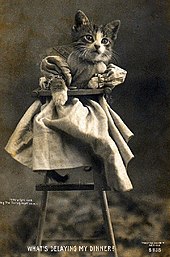
However, the most advanced research techniques (a few pints of beer) have allowed meme fragments to be scooped from these wild strains of LOLcat (Adviceanimalis lolfelis) and Chad (Chaddus quiznahilis). These fragments extracted were then recombined and spliced to produce the memetically modified chimaera: the LOLChad.
The was and the “WOT NO X?” phrasal templates have been retained from the chad, whereas the hands have become paws, while adapting the phemotypical traits of cats ears and nose and pupils. The variable, X, in the phrasal template also introduces the category selection restriction that it must be in relevant LOLspeak.
Ethics and dangers
Some would argue that meddling with memetics is against nature: If Ceiling Cat wanted Mr Chad to have cats ears, he would have created it.
More pressing, however, are safety concerns. Such hybrids have not been shown to be risk-free, and until scientifically proven and should be confined to the laboratory.
The dangers have been highlighted in the documentary The Epidemic which shows the hazards of an outbreak of unmodified chads. Their cultural effects are unknown. It is also quite possible that these engineered variants would have a significantly higher basic reproduction rate (R0). Consequently, they could and pose a threat to the cultural ecology were they to be introduced into the wild.
Leave a Reply